Perfume advertisement for Mowalola
Who is Mowalola?
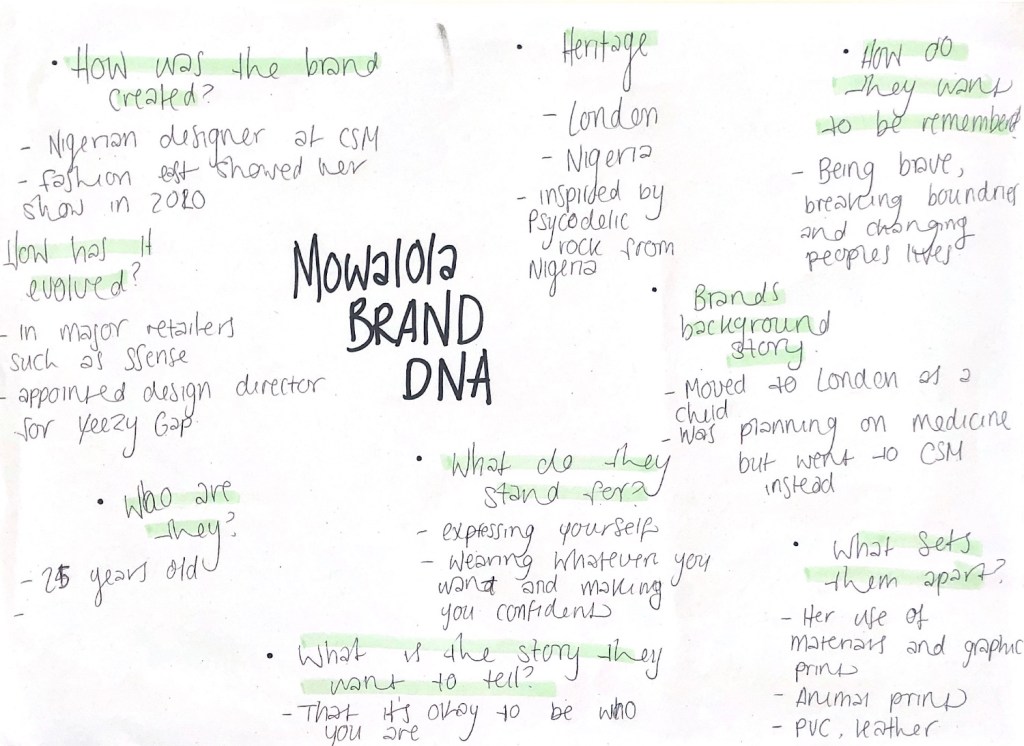
Mowalola Ogunlesi is a 25-year-old Nigerian-born fashion designer working and living in London. She is known for working with a wide variety of textiles such as leather and PVC to produce non-traditional silhouettes inspired by Nigerian and London youth culture.
She moved to London as a child and originally planned on studying medicine but decided to study art history at CSM instead.
Both of her parents, and her grandma, were designers. Her mother is very well known in Nigeria for her premium children’s clothing brand, ‘Ruff ‘n’ Tumble’. The brand manufactures clothing for children aged 6-16 and is very successful in Nigeria.
Mowalola debuted her graduate collection titled Psychedelic at the Central Saint Martins Press Show in May 2017. The collection was mainly influenced by Nigerian psychedelic rock, and her pan-African approach to design is a celebration of culture, sexuality and desires.
She first showed her work at London Fashion Week as part of Fashion East for A/W 19.
Although Mowalola only showed her first collection in 2017, her clothes are being sold in major retailers, such as Farfetch, Ssense and Browns, accompanied by a hefty price tag.
She has also recently been appointed design director of Yeezy Gap by Kanye West.
Mowalola’s Vision.
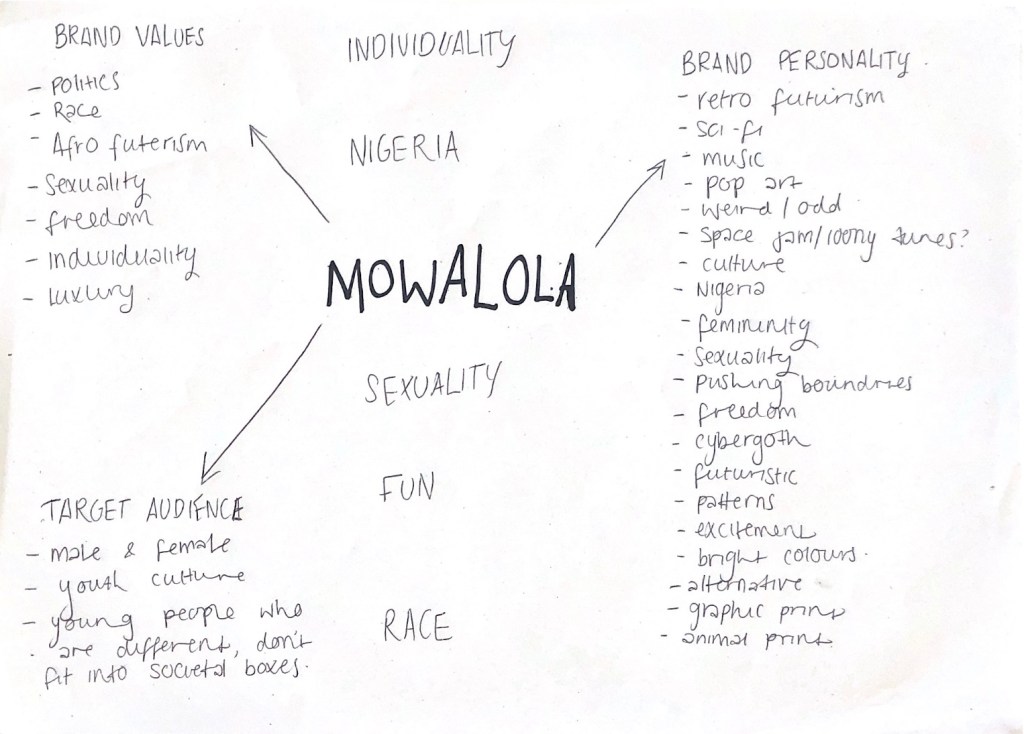
Mowalola started her brand to express herself, and to help others do the same. Her core values are individuality, culture, sexuality, fun and freedom. Her clothes represent this, with their low-cut tops, short skirts, crop tops, backless tops and the use of leather.
Mowalola’s vision is completely one-of-a-kind: through sexy, at points kinky garments she managed to convey the power of erotic tension in the times of social uncertainty. “In my country, I grew up with sexuality being very judged. So, I wanted to transform people’s ideas of what sexy is. That it’s okay to show skin”
She makes clothes that encapsulate a black African male’s sexuality, desire and attitude through an unfiltered lens that strips gender and racial stereotypes bare.
She takes inspiration from Afro-futurism, 60s-70s Nigerian psychedelic rock and Nigerian and London youth culture to create the unusual and fresh silhouettes she does.
Mowalola uses fashion to dismantle thought patterns, particularly regarding society and sexuality.
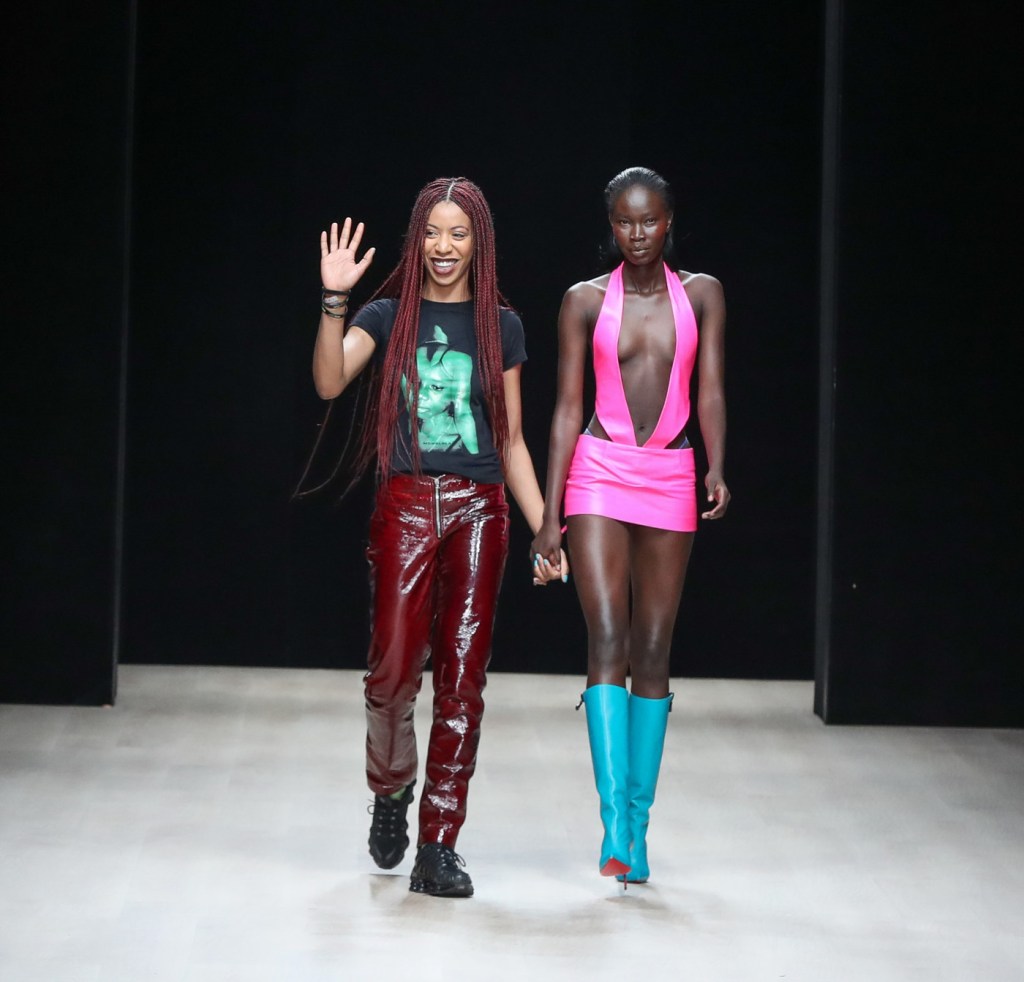
“Every time I get a new collection, I just ask myself: What is the world like? What do I want to change in the world? I feel the freest people can be is when they truly know themselves wholly, sexually. There are so many things trying to block that in the world, and I want people to be more in tune with themselves. If they can do that sexually, then they can adopt that to every aspect of their lives. So, with my clothes, I want to show men in a different way to the way they are perceived, especially black men” she continues. “I’ve grown up being taught to think a certain type of way about how black men should be, or how we should perceive them as quite hard and aggressive. To me, a strong man is like Prince or like Andre 3000. They can be graceful, they can be soft, they can be family men. Yet they can still be masculine, all in one. I don’t think people need to fit into other people’s stereotypes. I think challenging stereotypes is what makes you find out who you really are.”
Target audience
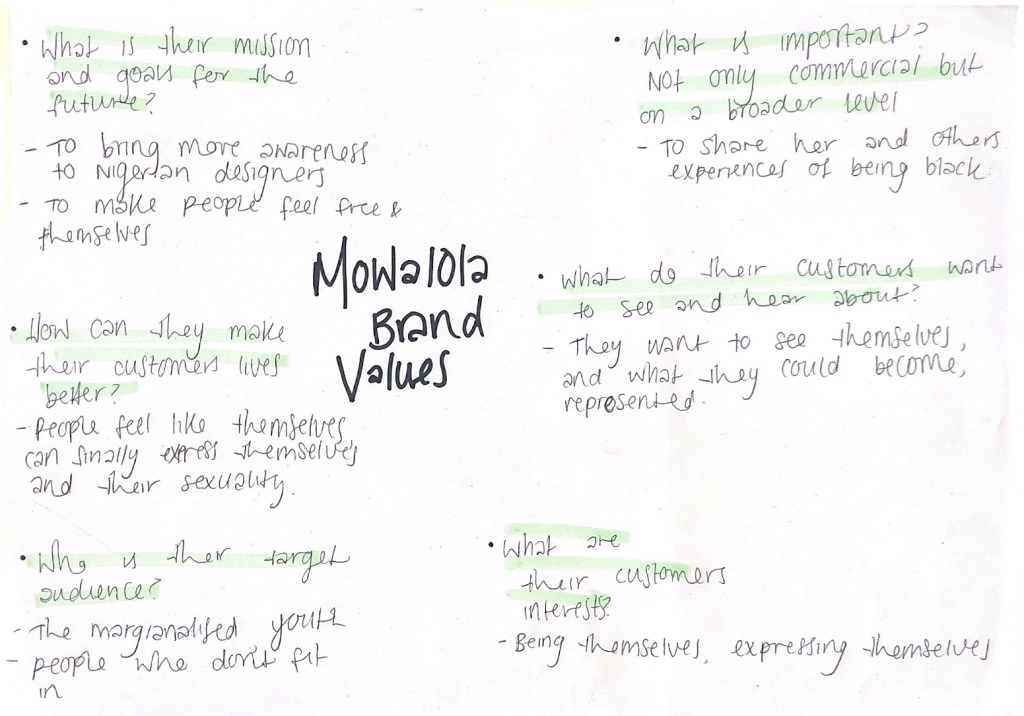
Who is Mowalola’s target audience?
The young generation of London, the ones who don’t fit into societal boxes- the marginalized youth.
How can they make their customers lives better?
Mowalola gives the marginalized youth and the minorities a voice. She lets them express themselves and their sexuality with her clothes and feel like themselves.
They see themselves represented in her clothes, as many of them haven’t had this chance before.
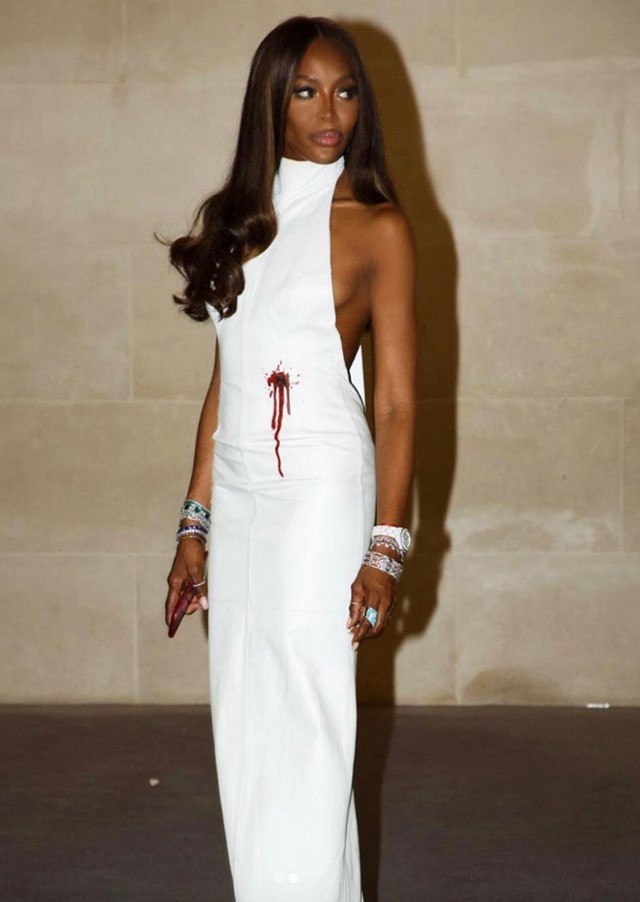
Mowalola is sharing her own and other experiences as a black person, and how she feels like being black makes you a walking target. That is where the inspiration for her infamous bullethole dress, which was worn by Naomi Cambell.
Mowalola said about the dress, “I make clothes to challenge people’s minds. This gown is from my collection ‘Coming For Blood’ – a delving into the horrific feeling of falling in love. This dress is extremely emotional to me – it screams my lived experience as a black person.”
The designer added: “It shows no matter how well dressed you are or well behaved, we are time after time, seen as a walking target. I’m in a privileged position to be able to speak on issues that others would be silenced on. Inequality is still rife and newspapers clawing at my work is testament to that.”
Afro-Futurism
What is afro futurism?
Afrofuturism is a cultural aesthetic, philosophy of science and philosophy of history that explores the developing intersection of African diaspora culture with technology. It was coined by Mark Dery in 1993 and explored in the late 1990s through conversations led by Alondra Nelson.
It is a cultural aesthetic that combines science fiction, history and fantasy to explore the African American experience and aims to connect people with their forgotten African ancestory.
What is the purpose of Afrofuturism?
The term Afrofuturism, coined in 1993, seeks to reclaim black identity through art, culture, and political resistance. It is an intersectional lens through which to view possible futures or alternate realities, though it is rooted in chronological fluidity.
Afro- futurism is everywhere, everyday. From intricate patterning in jewellery, to abstracted forms, exaggerated hourglass silhouettes of the human figure, incredibly rich colours and above all, black pride. These are all either visual or personal attributes that are incredibly popular and valued right now.
So how does Mowalola fall into the Afro-Futuristic category?
Mowalola’s use of bright and rich colours, sexual and erotic silhouettes and political undertones make her the perfect definition of afro-futurism.
Her brand is focused on reclaiming her black identity and sharing this with the world.
“Silent Madness”
Mowalola explored her label in a different dimension with an installation at NOW Gallery called “Silent Madness,” which combined music, film, and pieces from her collection for a trippy walk through Mowalola’s surreal punk-inspired aesthetic.
She wants “Silent Madness” to allow people to be in themselves and their minds.
“So, now you’re in your own world, but also in my world. You still have control, but I guess I’m kind of dictating where your mind is going to end up. I kind of wanted to give people the freedom to create their own reality in the space.”
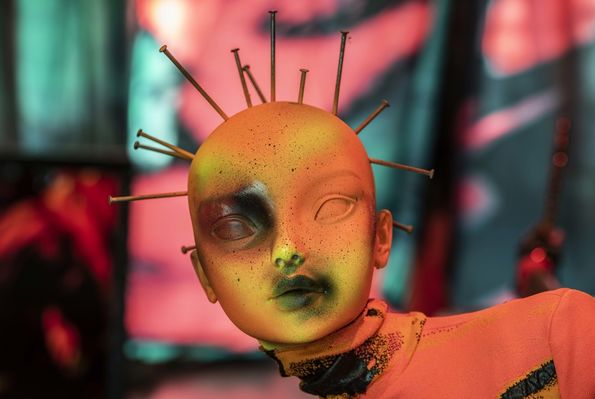
The exhibition aims to disrupt and question preconceptions of normality whilst challenging traditional discourse surrounding African sexuality encouraging visitors to shed the pressures of convention and live life by their own terms.
Mowalola explains how she wanted to create her own version of a renaissance painting as in every art exhibition she had visited before, she didn’t feel a connection to. “Something chaotic, sexy, and unapologetically black.”
Inspiration
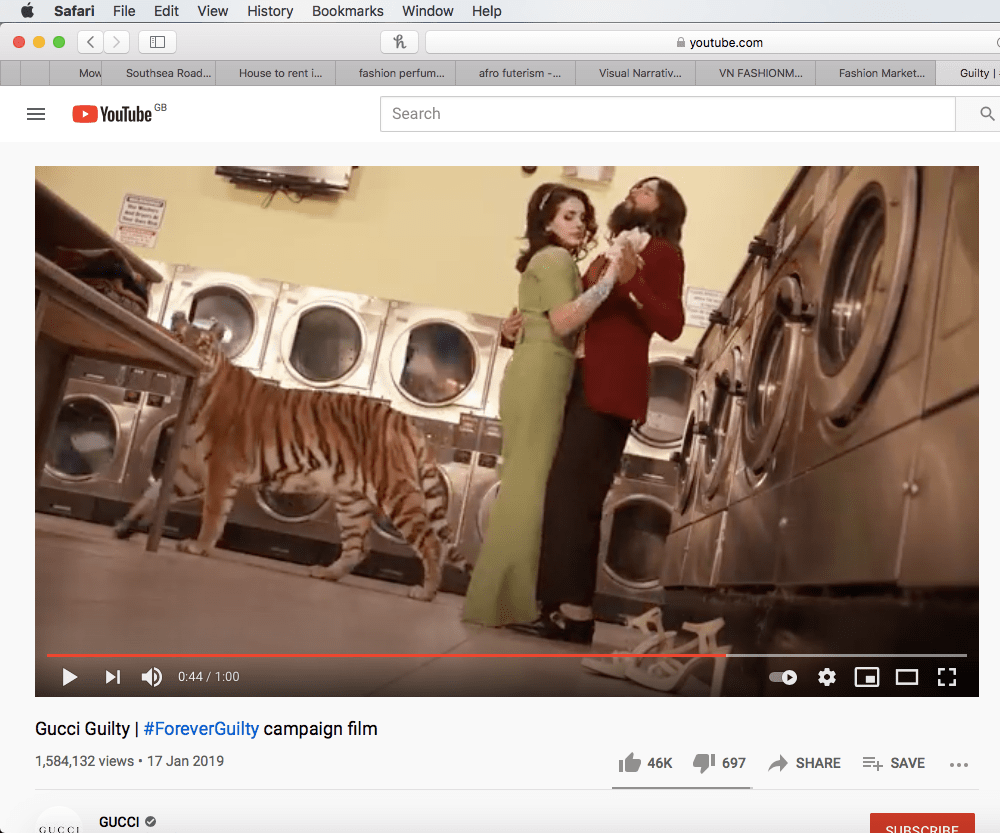
I was inspired by the Gucci Guilty campaign as the styling and set designs really encapsulate the feeling and essence of Gucci. Just by watching it you can instantlytell it was made by Gucci. Mowalola has a very strong brand image which is very different to any other brand I know. I would like to replicate this type of feeling of knowing without being told that it is an ad for Mowalola. Every scene of this ad is different, but it all fits perfectly together, with the casting, styling and music.
styling
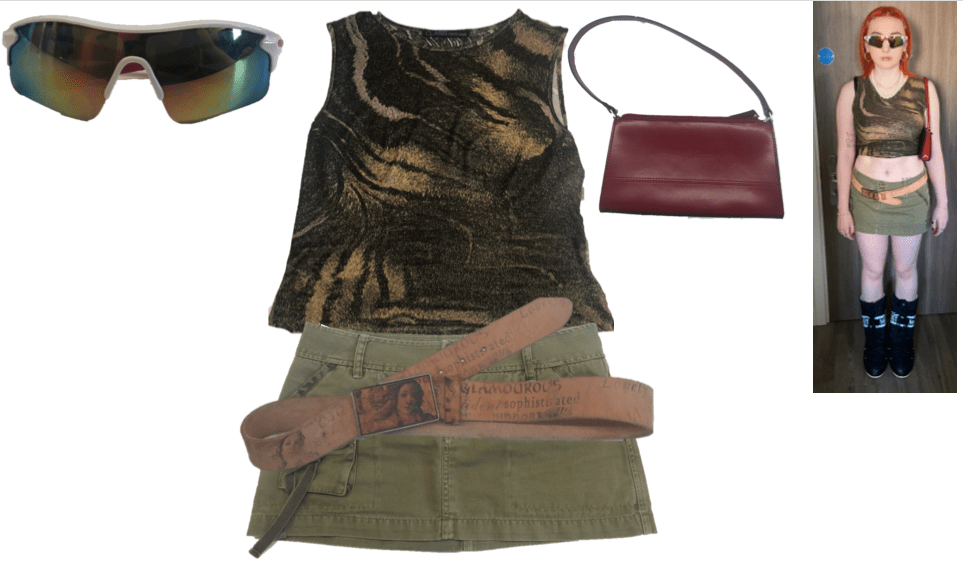
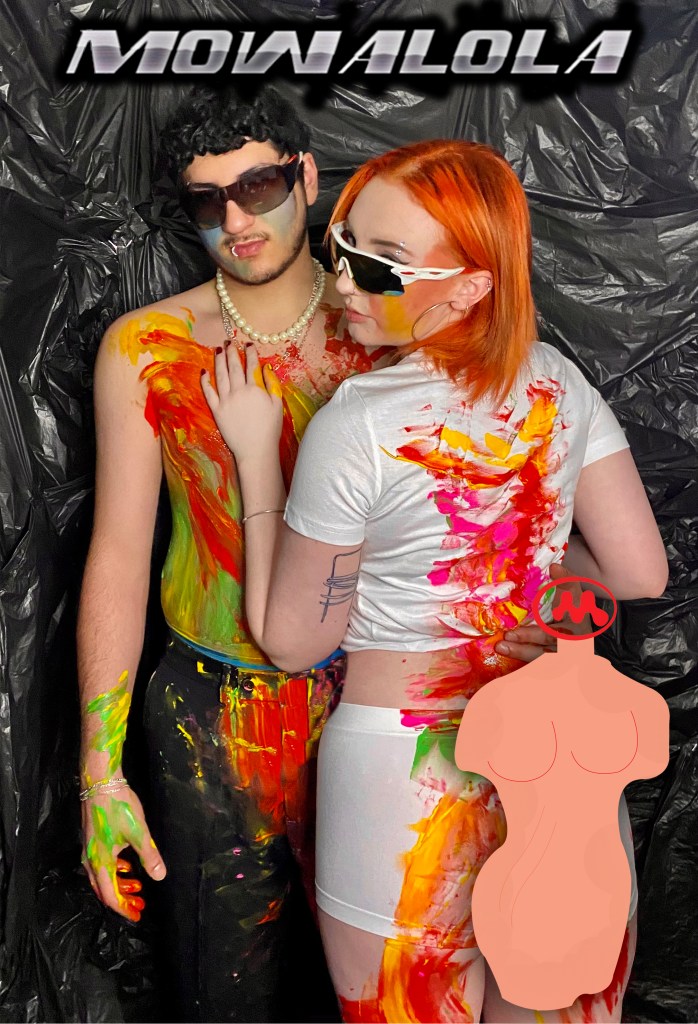
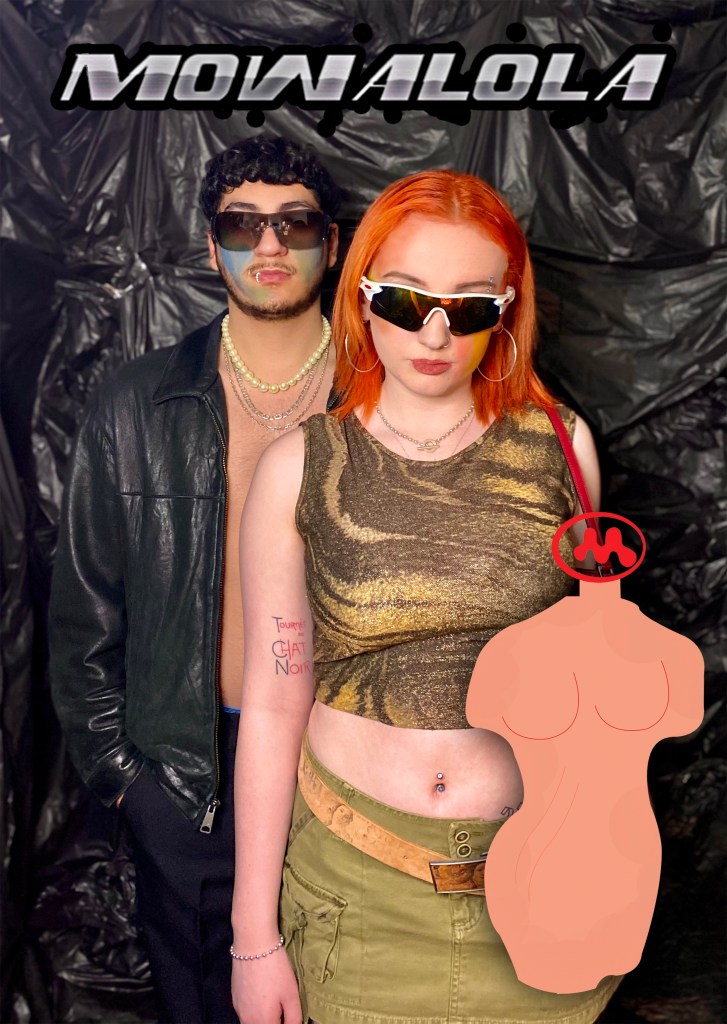
I tried to capture Mowalola’s personal style, which I have analyzed from her Instagram and other social medias, and her style of designing. Her label is all about sexuality and freedom, so I chose a short skirt with an unhooked belt over the top to show that side. I have also noticed Mowalola herself wearing similar skirts to this.
Mowalola uses a lot of animal print, and colured leather in her designs, which is why I chose the red leather bag and tiger print vest.
To fit in with Mowalola’s roots of afro-futurism, I also used a pair of futuristic white sunglasses.
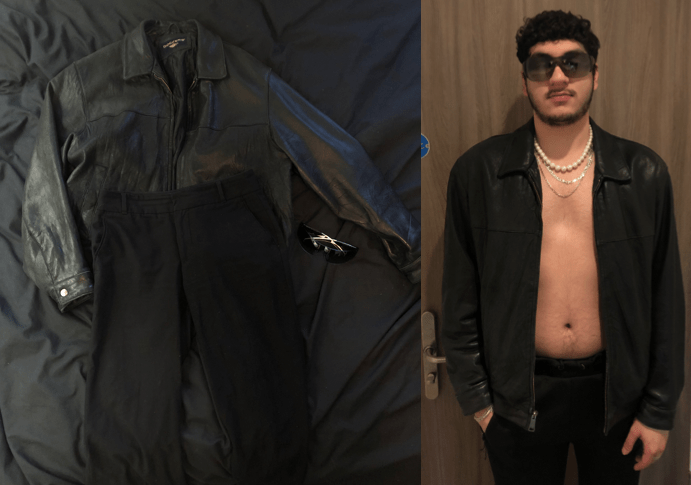
I chose to style my male model in a leather jacket, plain black straight leg trousers, and Prada sunglasses. I also chose for my model to be shirtless, as Mowalola is heavily influenced by male sexuality and the male body. I felt styling my model without a shirt would show this side of Mowalola’s brand values well.
I used a leather jacket to emulate Mowalola’s use of leather in her runway shows and within her own personal style. I also used a leather bag for the other look, to tie both together.
Set design
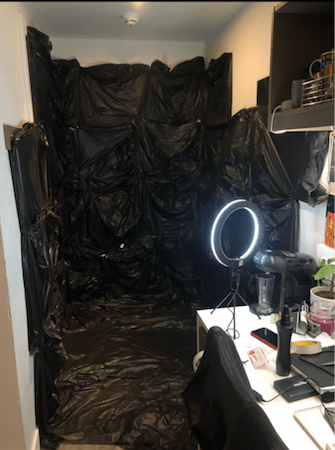
For my set design, I used 60 bin bags taped up around my room. I wanted the effect of darkness and night-time, but I also wanted to continue the theme of leather. For this reason, I decided bin bags were the most appropriate for my set.
I also used a ring light, which I moved around while filming to capture the best lighting for each shot.
While filming, I also used a fish-eye lens to capture the video.
Makeup
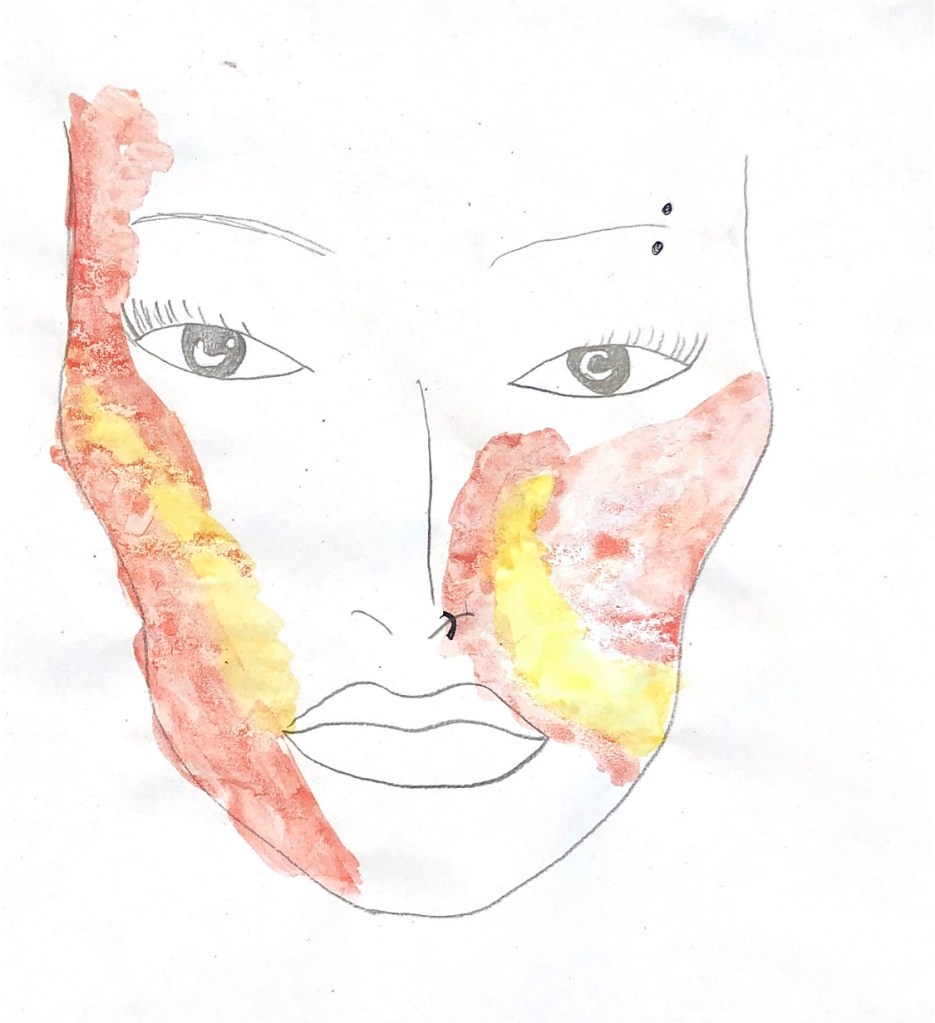
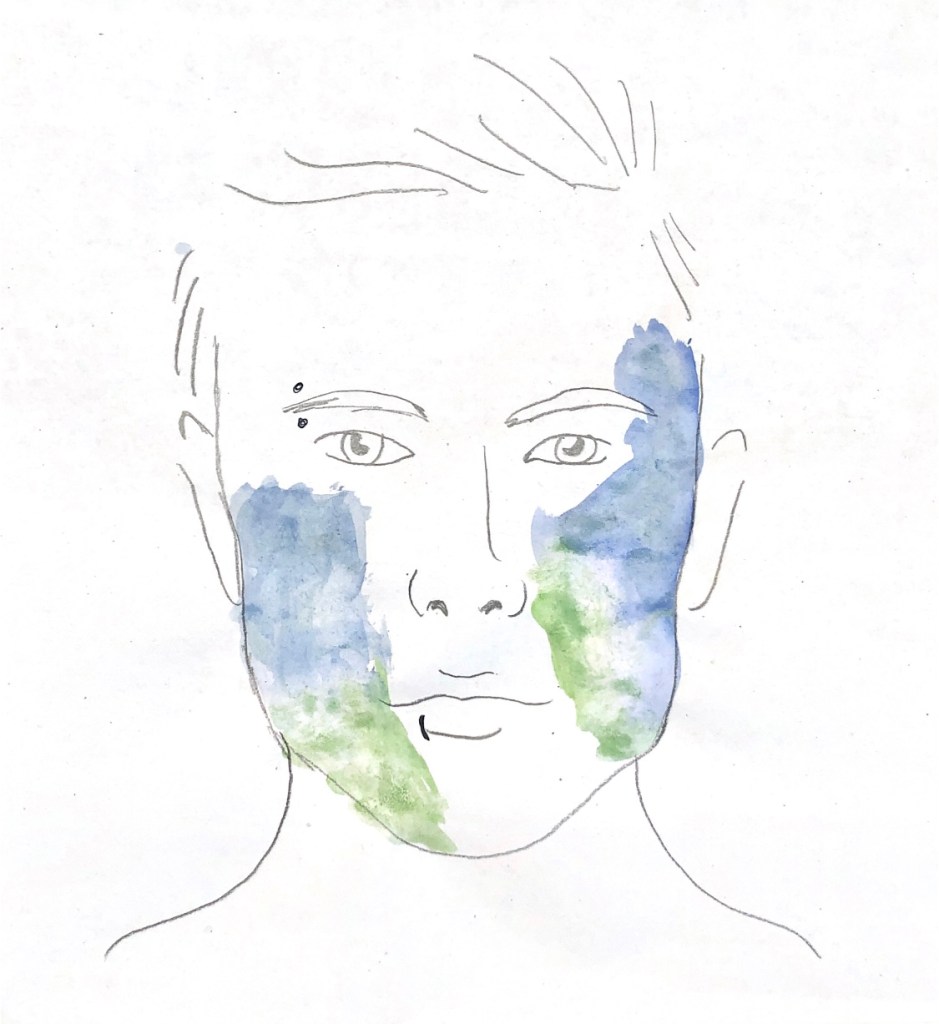
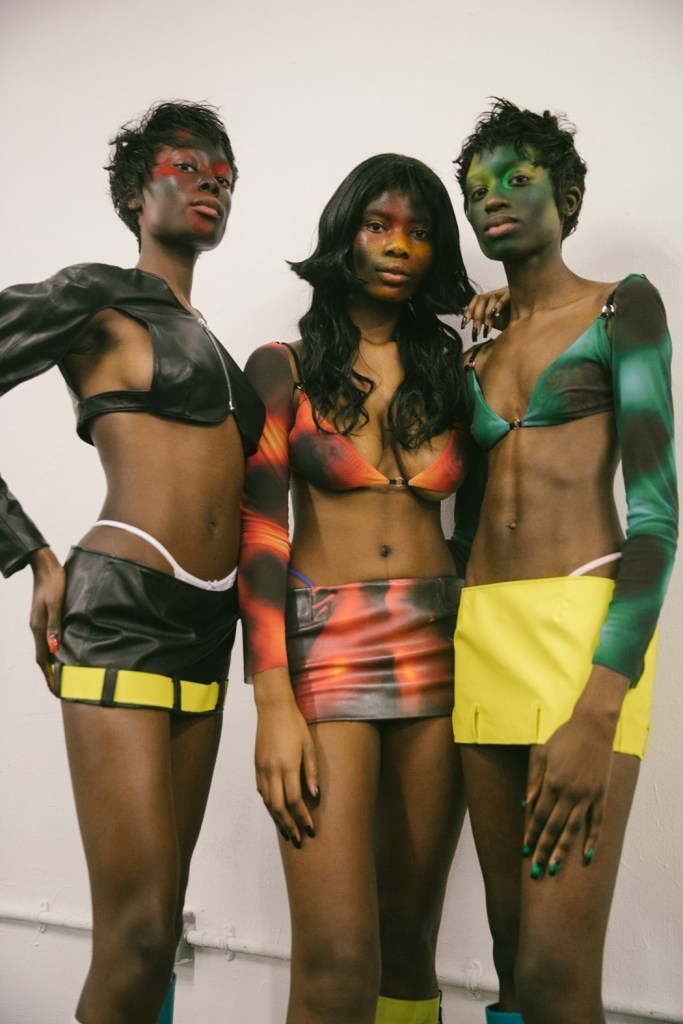
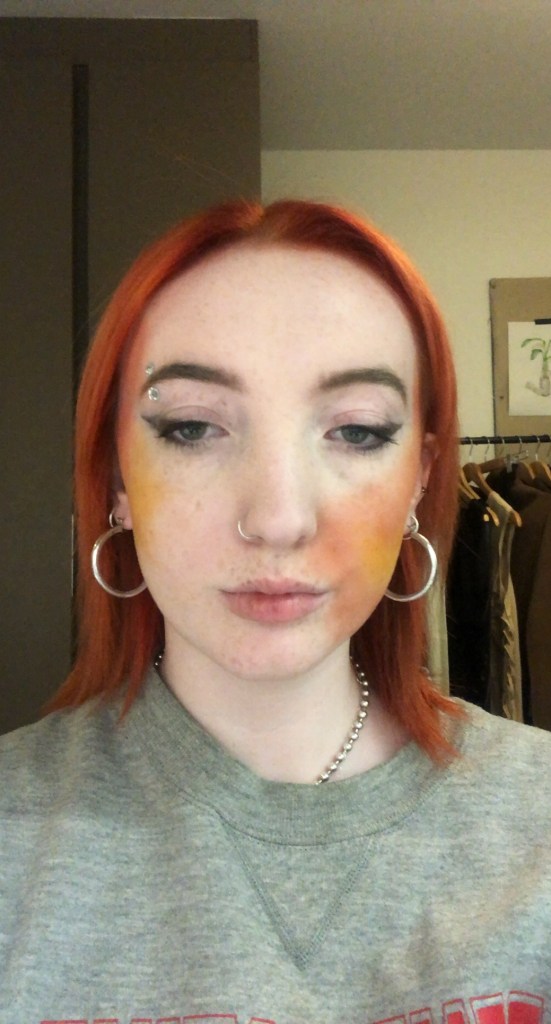
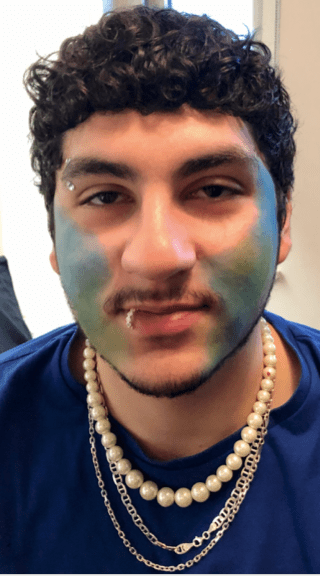
I chose to use red and yellow, and blue and green as the colour combinations for the makeup for my advert. I chose these colours as I have looked at Mowalola’s ‘Silent Madness’ exhibition, which featured these two colour combinations frequently. I also took inspiration from her A/W19 show, where she painted her models faces in a similar way and with a colour palette which is correspondent to the one I chose. I used different colour eyeshadows to get the powdered effect.
Bottle ideas
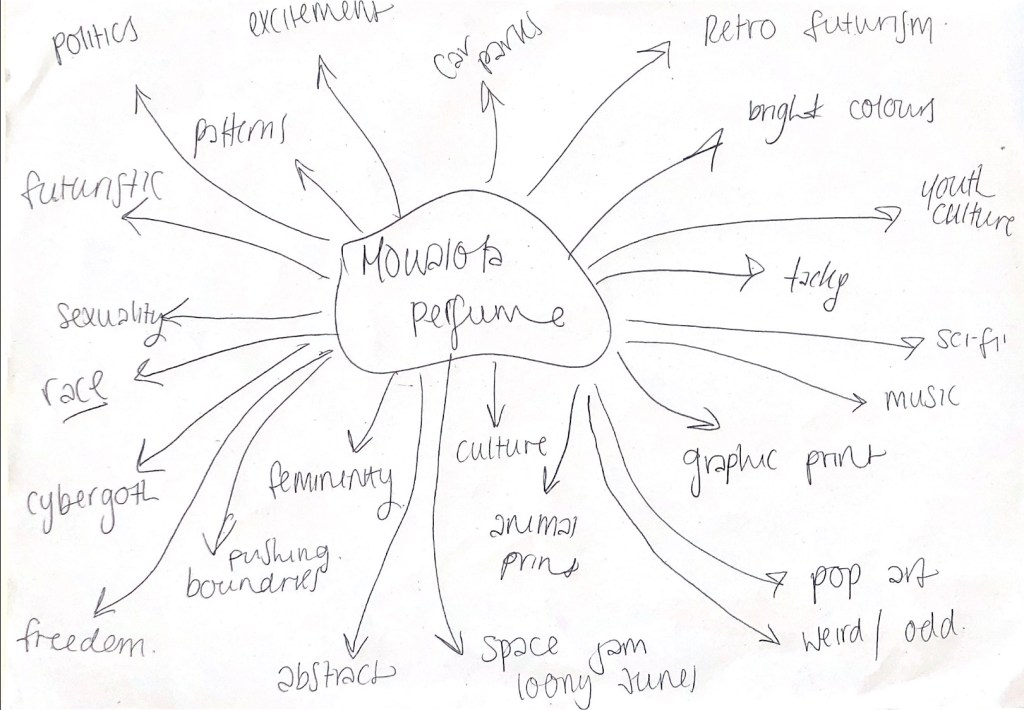
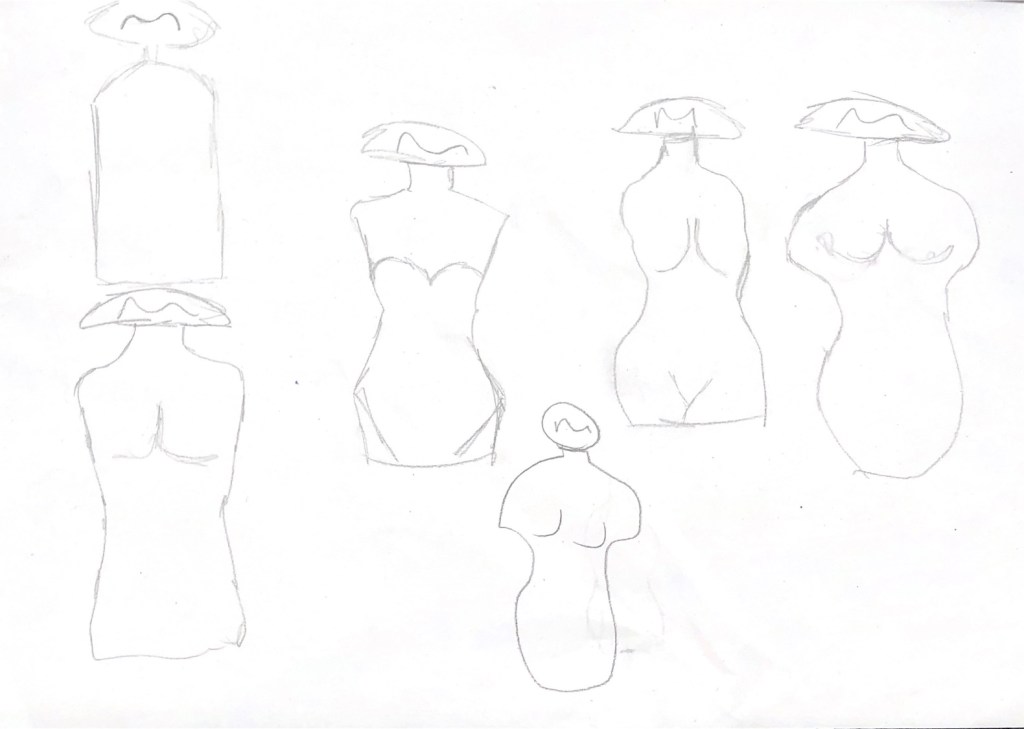
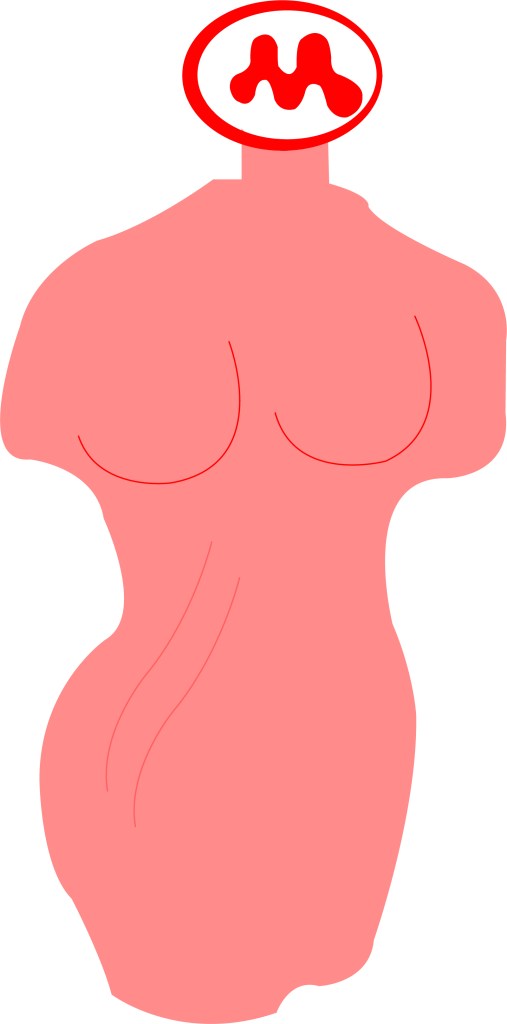
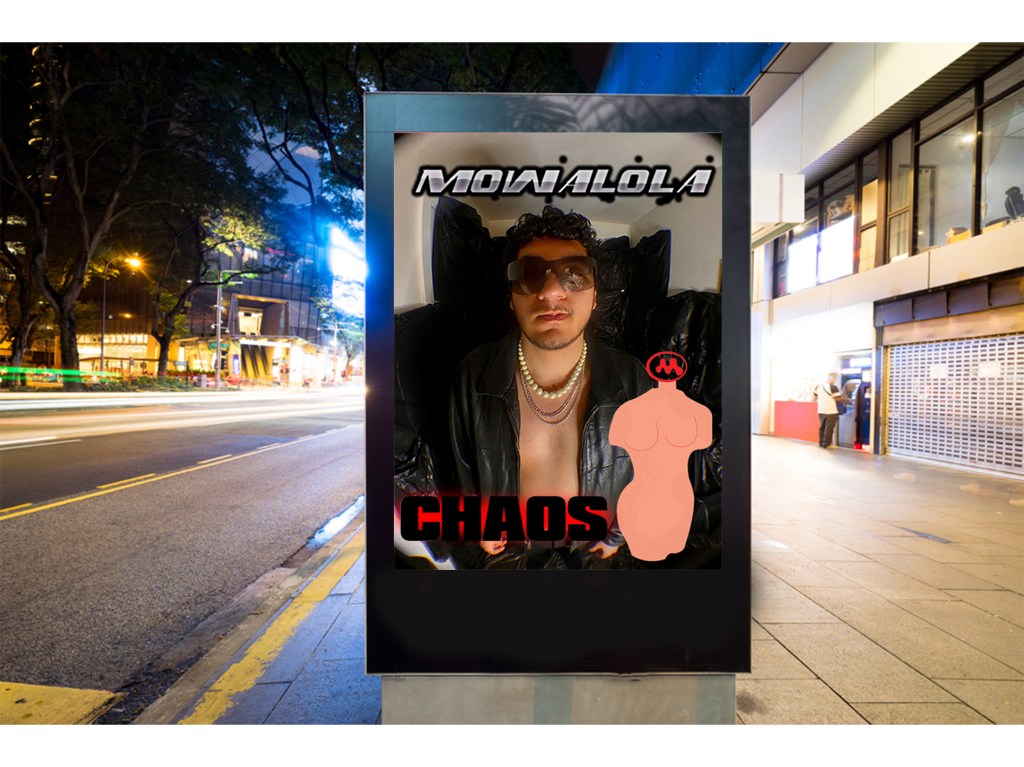
Mowalola and her brand are very focused on sexuality, freedom, blurred lines between genders, gender fluidity, masculinity and femininity. For this reason, I chose to make the bottle in the shape of a female figure. Although the perfume is unisex, the message I’d like to portray with this perfume is freedom and expression. I aim to connect everyone, especially males to their most feminine side with this perfume, and to teach people not to be ashamed or afraid of it.
Advertisements
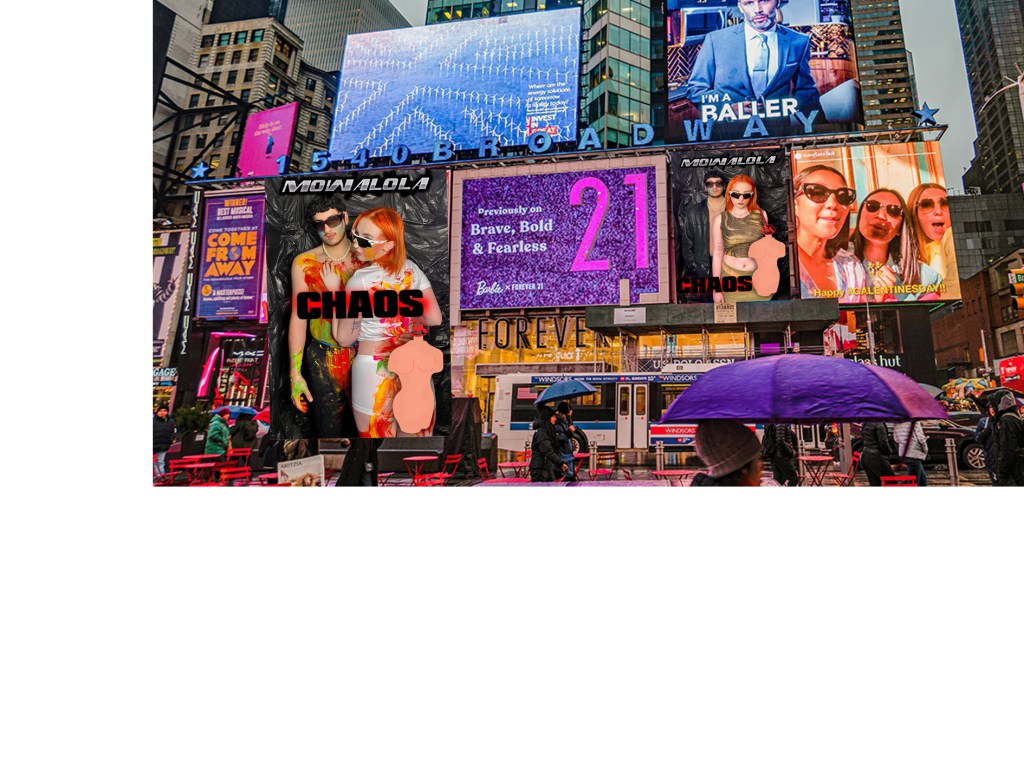
I chose to promote my perfume in busy and bustling city areas such as Times Square. I did this because Mowalola is very focused on city life- growing up inLondon. Her target market is young men and women who live the same lifestyle as her.
I also chose to display all my adverts at night time, as that is another thing that sets Mowalola apart; she is very much a part of the nightlife and club scenes, which reflects in her clothes.

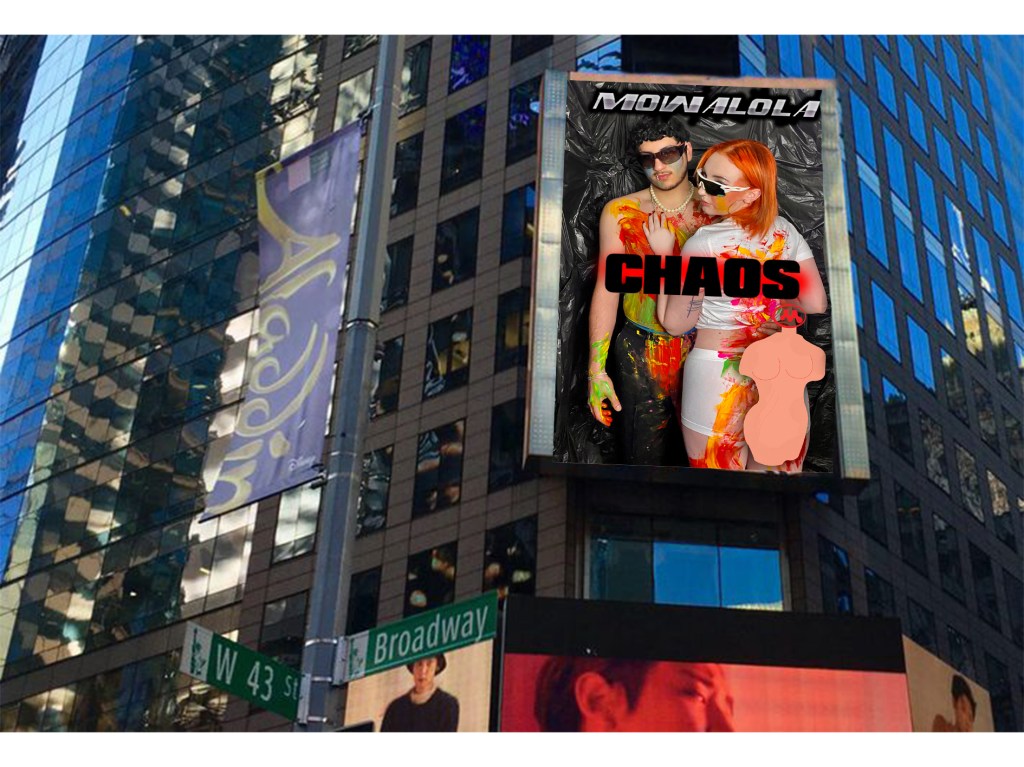
FINAL PERFUME ADVERTISEMENT POSTER
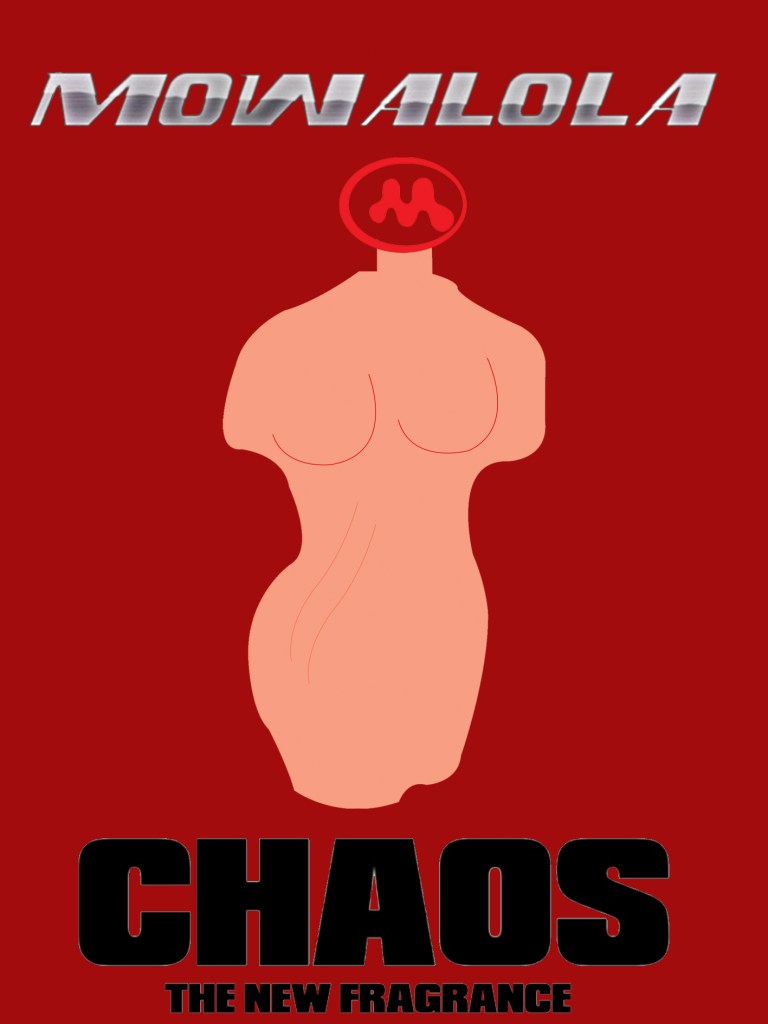
THE FINAL STORYBOARD
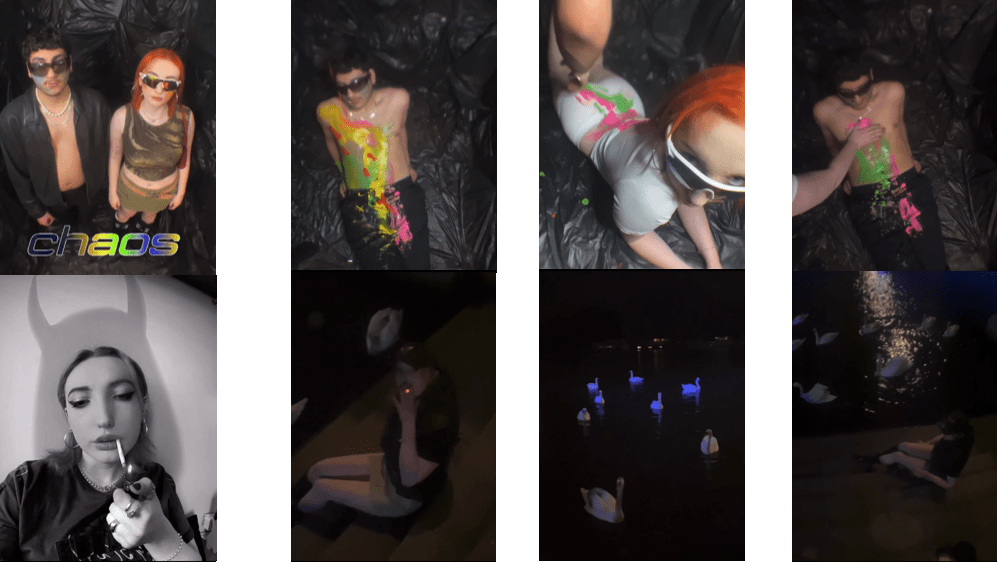

 Caitlin’s fashion blog